
جارٍ التحميل…
24 sites in this theme
Historic mosques inside Madinah — al-Nabawi, Quba, al-Qiblatain, al-Ghamama.
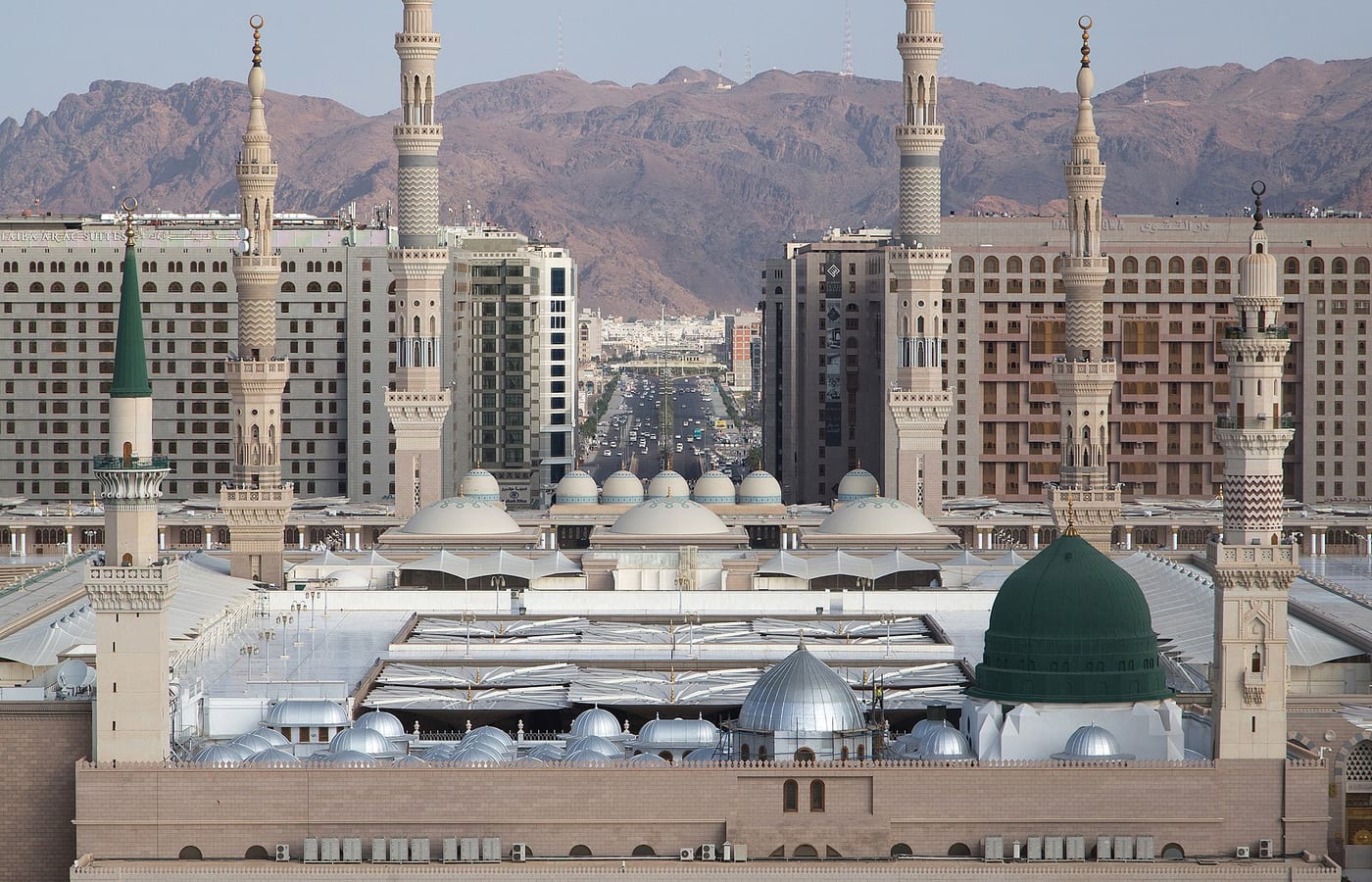 Mosque✓
The second of the two sacred mosques, built by the Prophet ﷺ upon his arrival in Madinah.
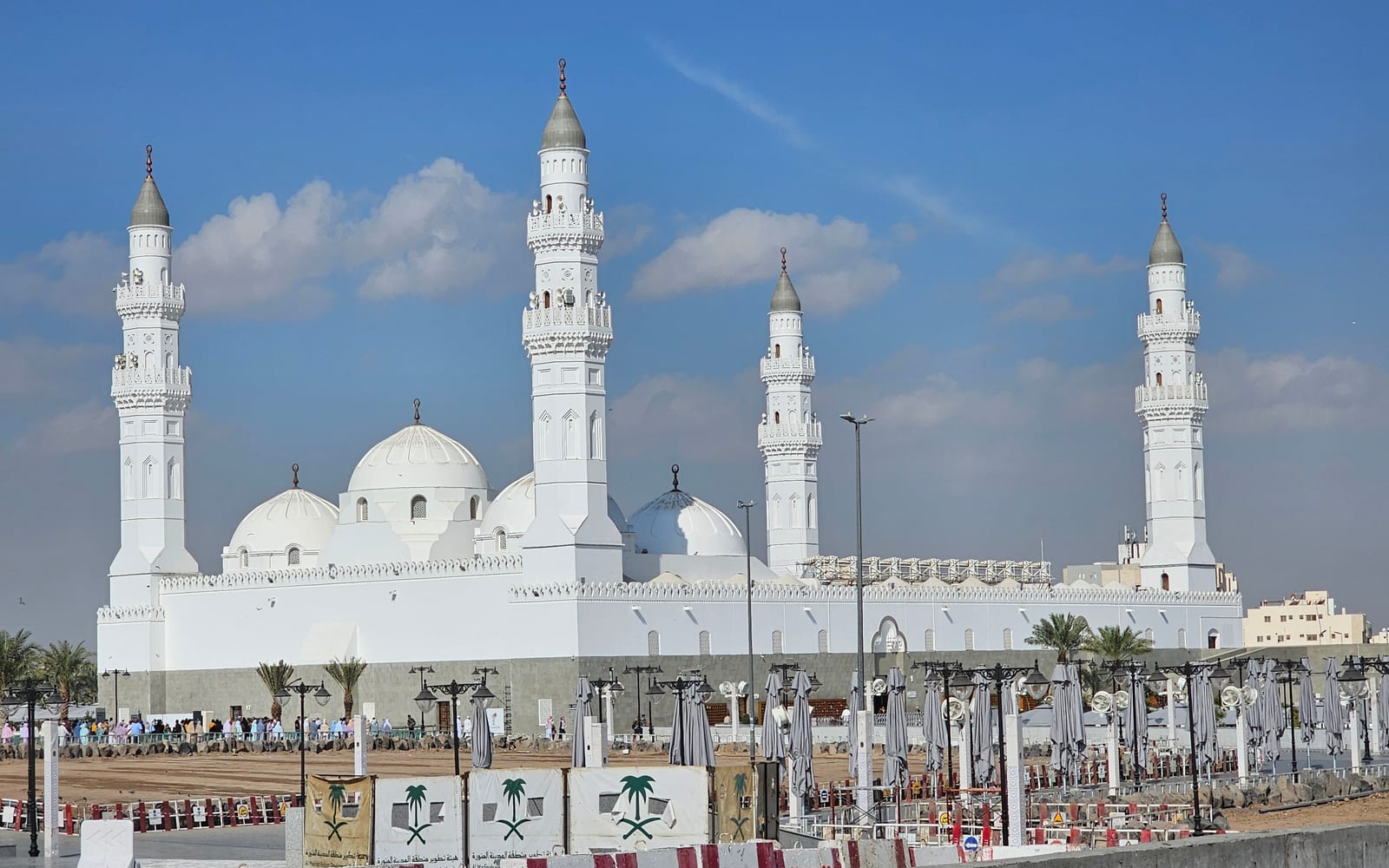 Mosque✓
The first mosque built in Islam, founded by the Prophet ﷺ on his Hijra route.
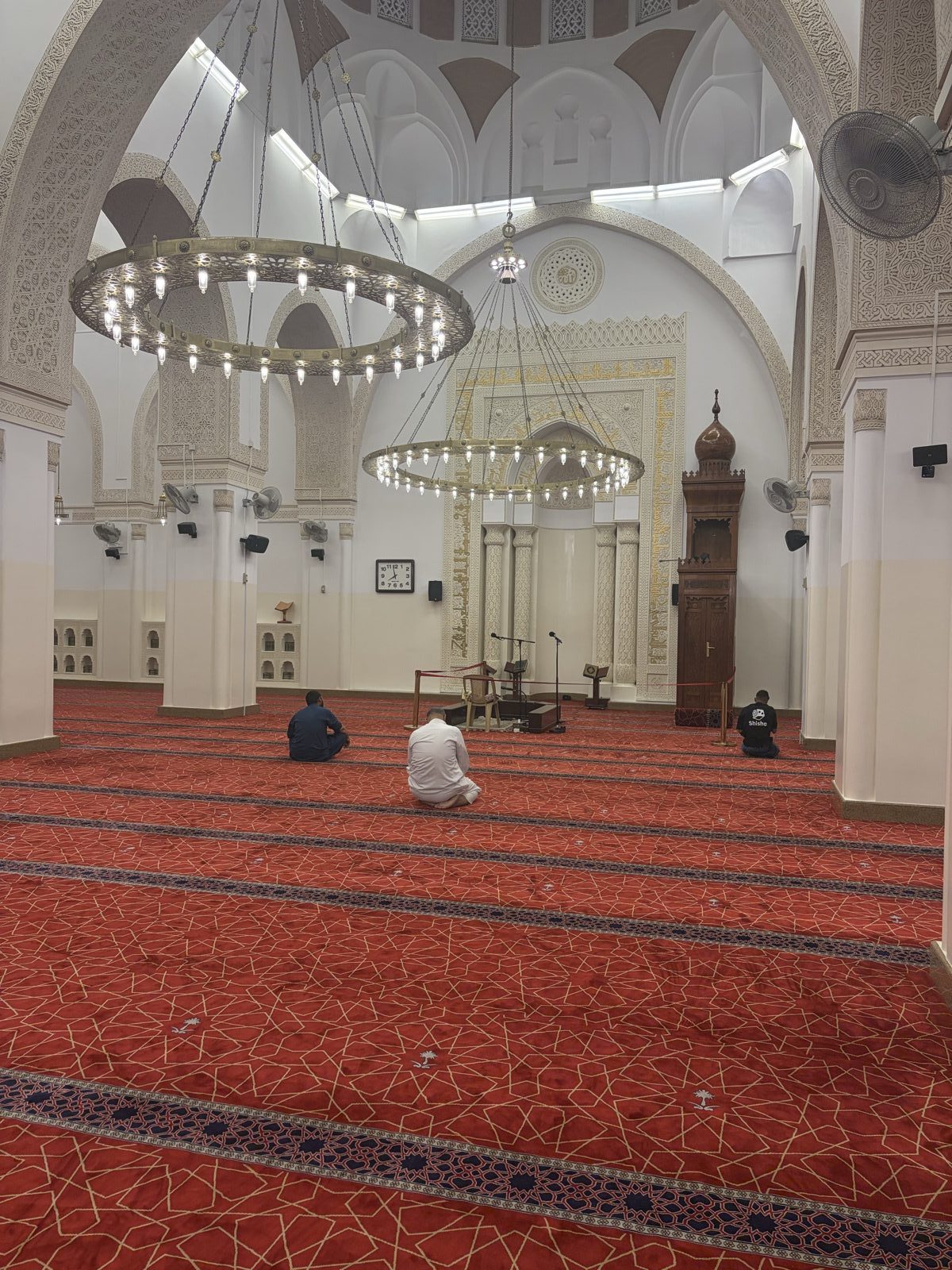 Mosque✓
The mosque where the qiblah changed from Jerusalem to the sacred Kaʿbah.
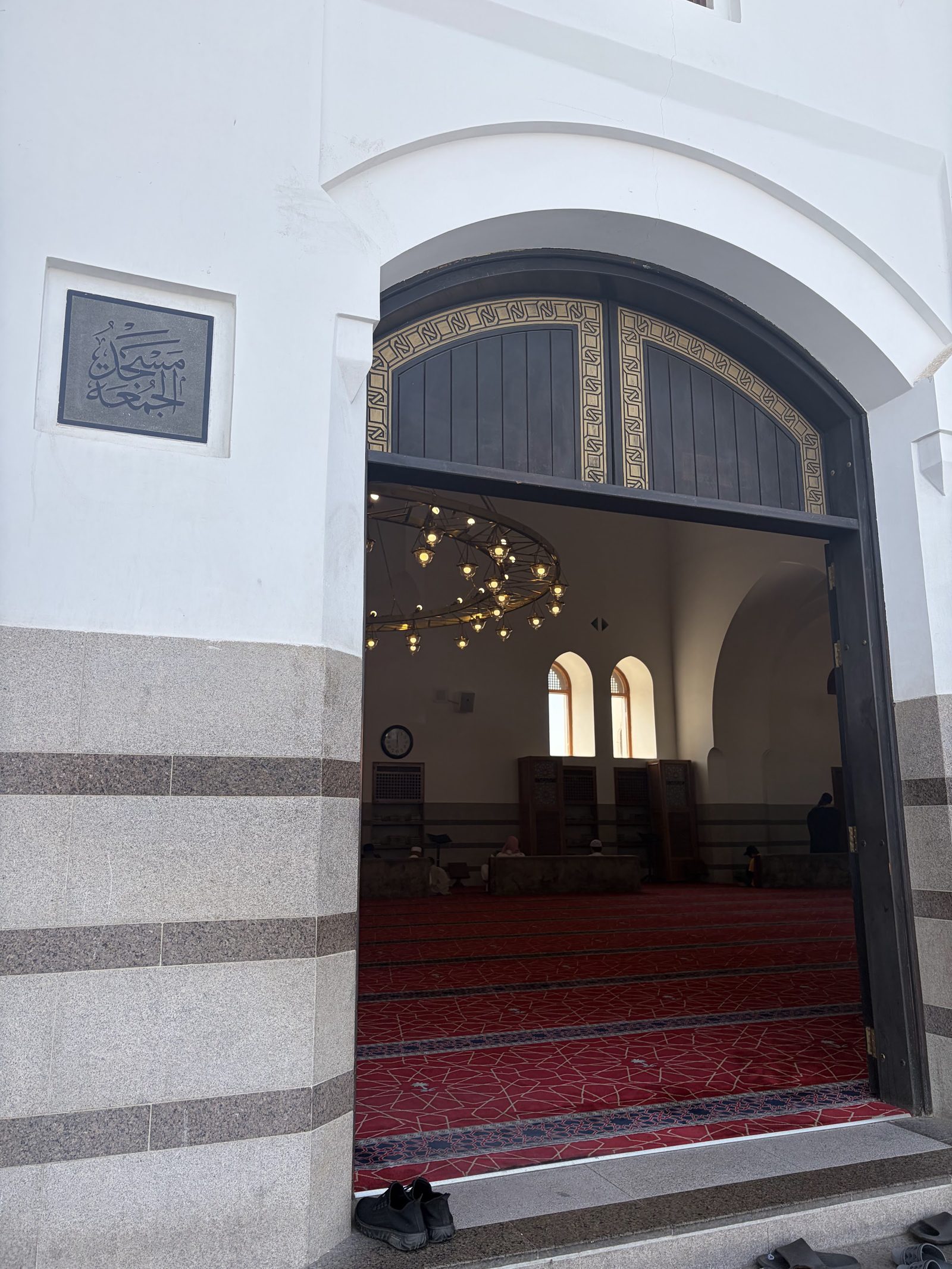 Mosque✓
Site of the first Friday prayer in Islam after the Hijra.
 Mosque✓
One of the Seven Mosques; tradition holds the Prophet ﷺ prayed here during the Trench.
 Mosque✓
The mosque where the Prophet ﷺ prayed on his way to visit the martyrs of Uhud.
 Mosque✓
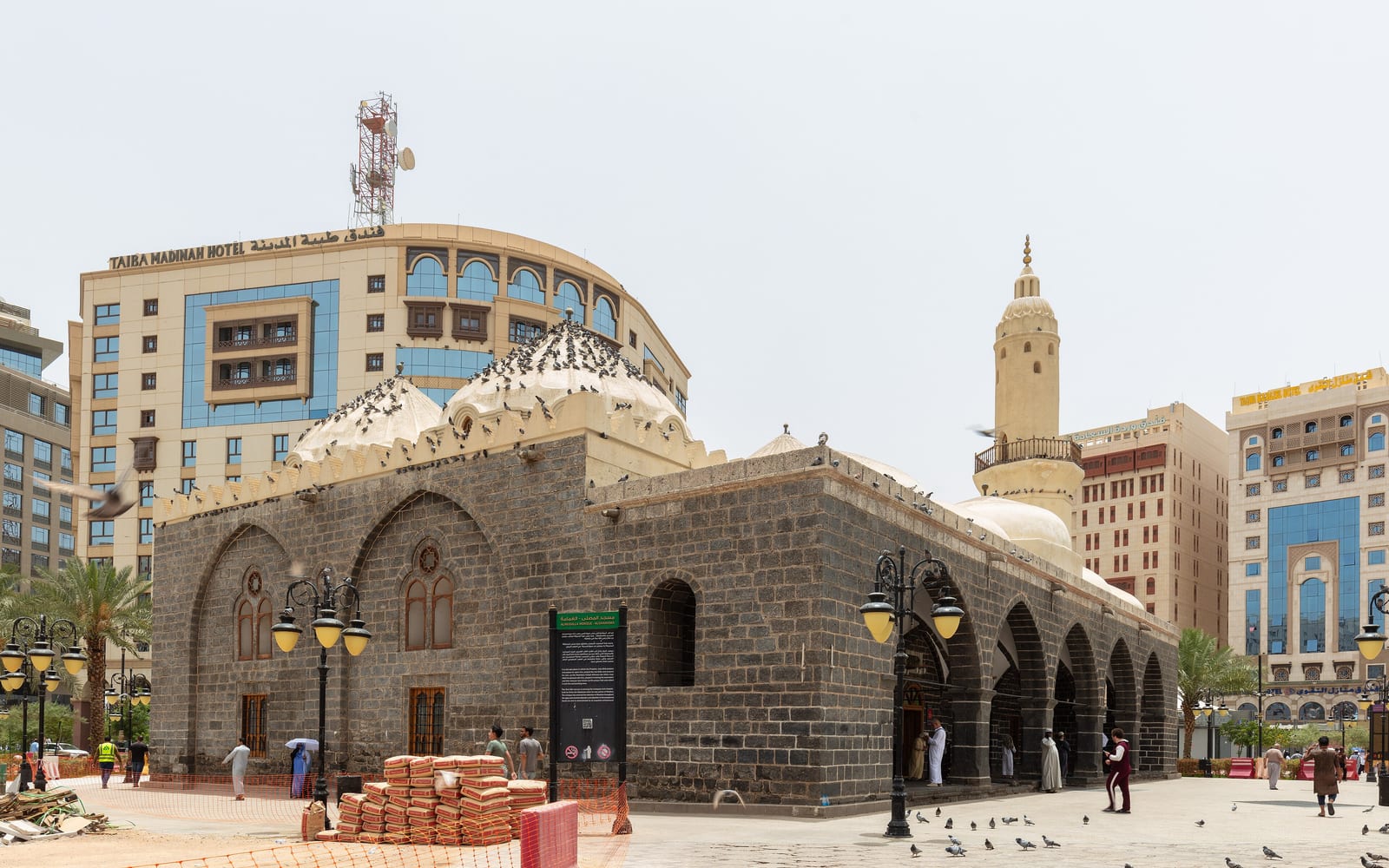
The mosque where the Prophet ﷺ led the ʿīd and rain-seeking prayers — known today as the Mosque of the Cloud.
The mosque where the Prophet ﷺ prolonged a sujūd in gratitude to Allah — in the quarter of Banū ʿAbd al-Ashhal.
The place where the Prophet ﷺ went out for the mubāhala (mutual invocation) with the Christians of Najran, who then submitted to the truth and withdrew.
 Mosque
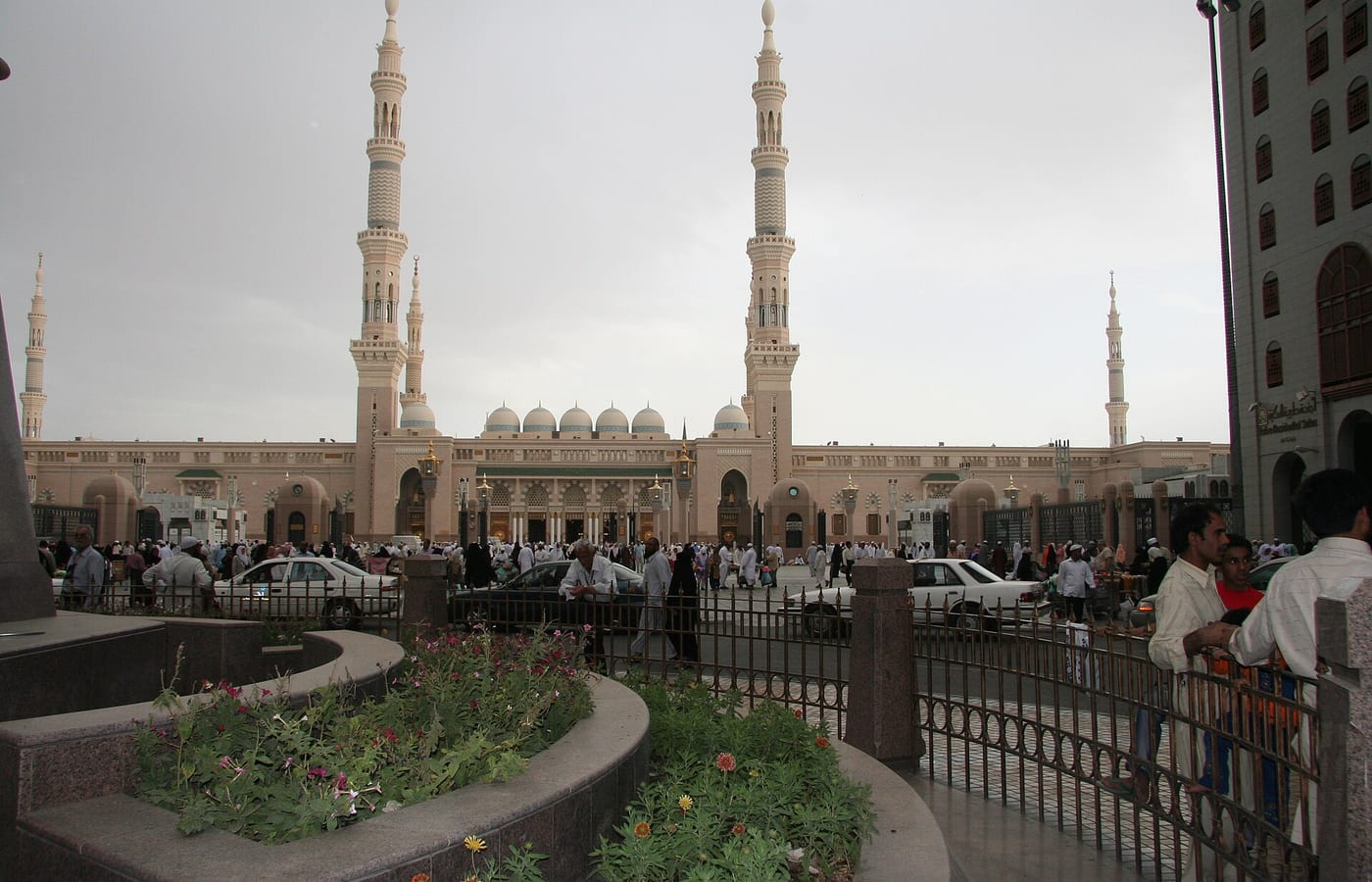
The Prophet ﷺ supplicated for blessing in Madinah's measures here — and from it the Badr army set out.
The Prophet ﷺ poured the remainder of his wuḍūʾ here and recited Sūrat Muḥammad to his Companions; known as the Mosque of the Mule because he tied his mule there.
 Mosque
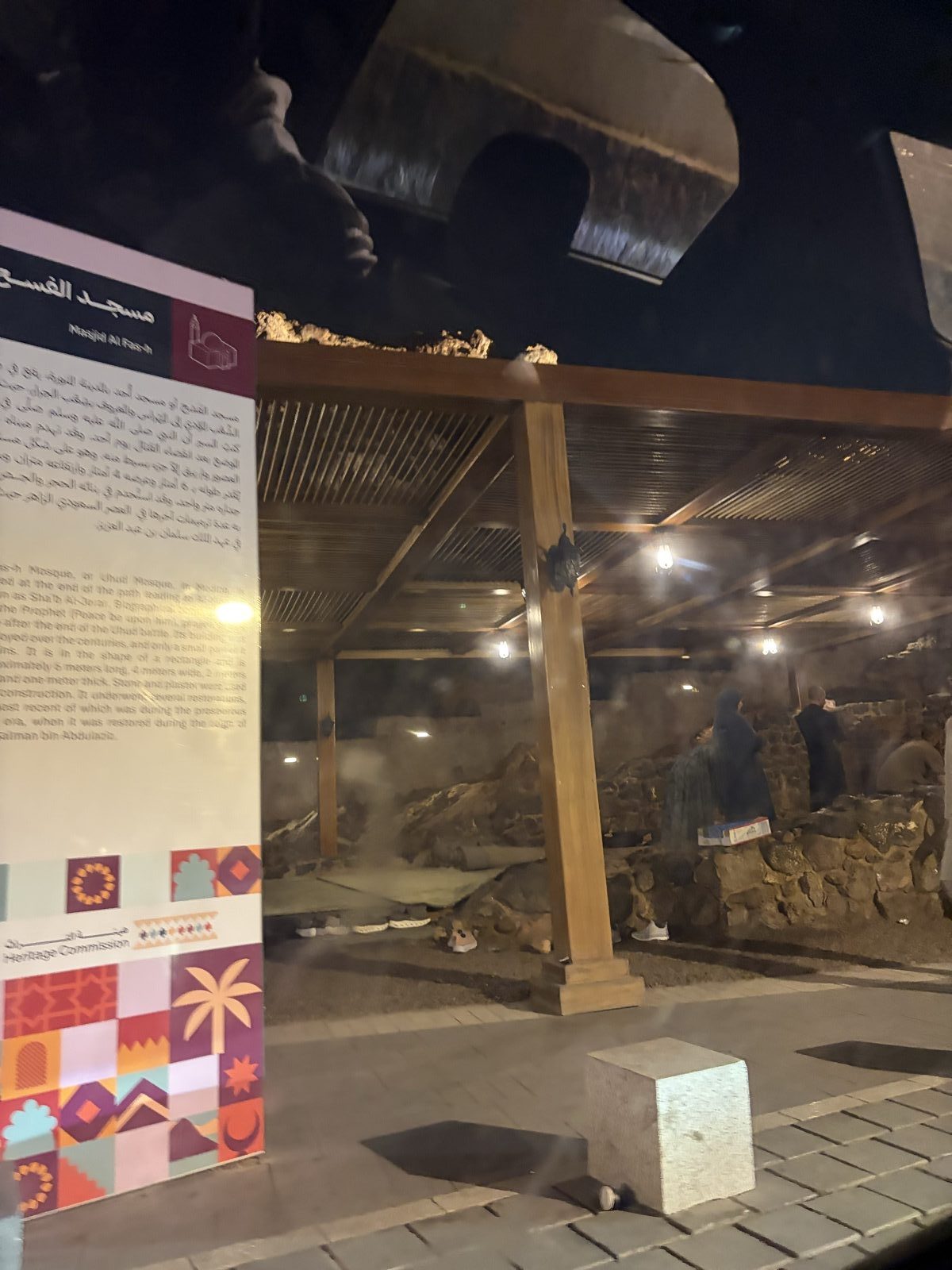
The historical mosque on the Prophet's ﷺ route to Uhud, named after the "clearing" where the army rested in some narrations.
 Mosque
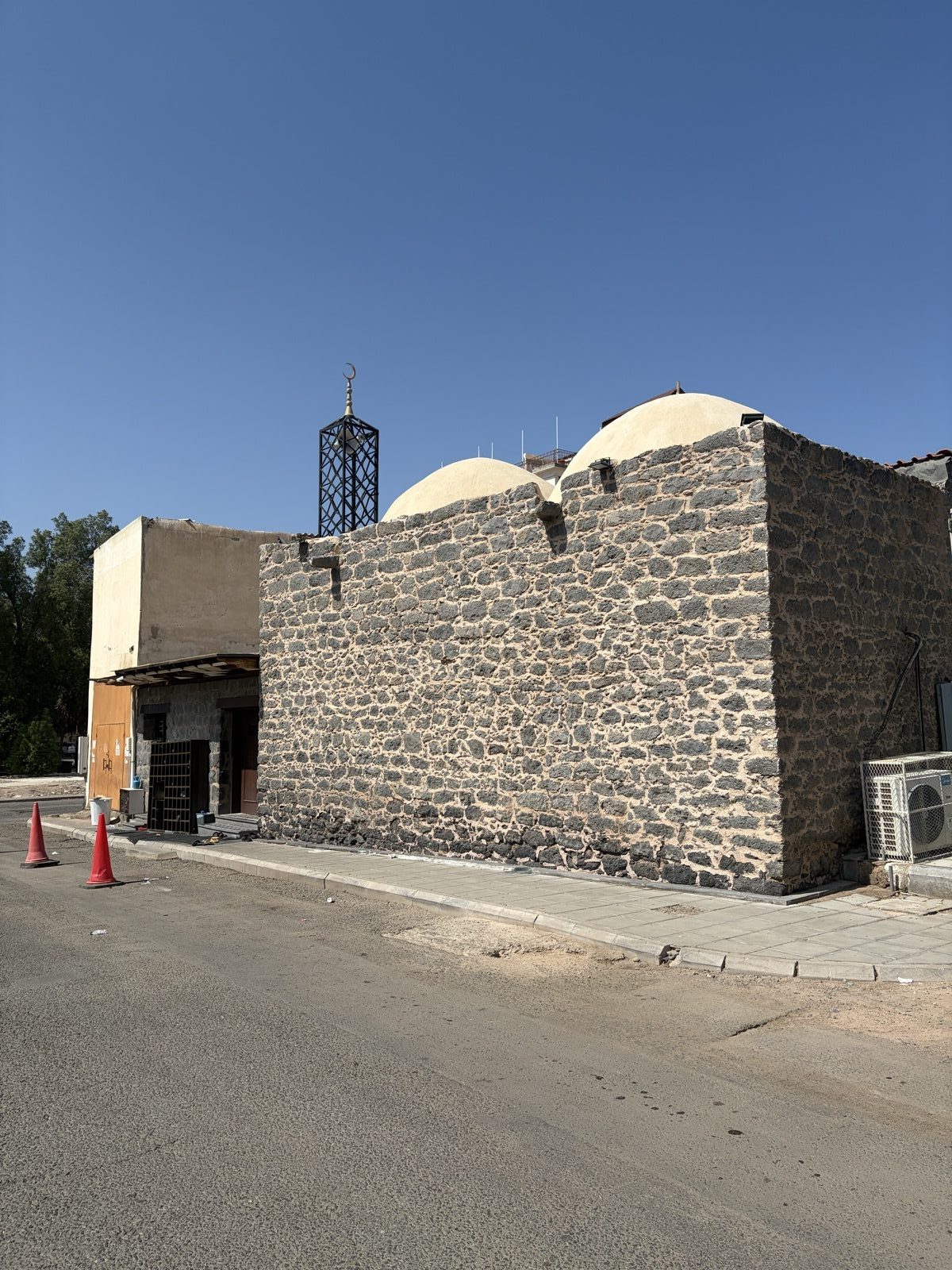
The mosque where the Prophet ﷺ donned his shield the night before Uhud, reviewed his army, and sent back those not yet of age. Stands today on walls of the black volcanic harra stone, with three small domes and a lattice minaret.
A historic orchard on the Quba road, home to Bir ʿAdhq — a well drawn from in the Prophetic era. The first area opened in the "Sira Gardens" project by Qisas (a Public Investment Fund company): a multi-language interactive experience of the Hijra to Quba, with online pre-booking.
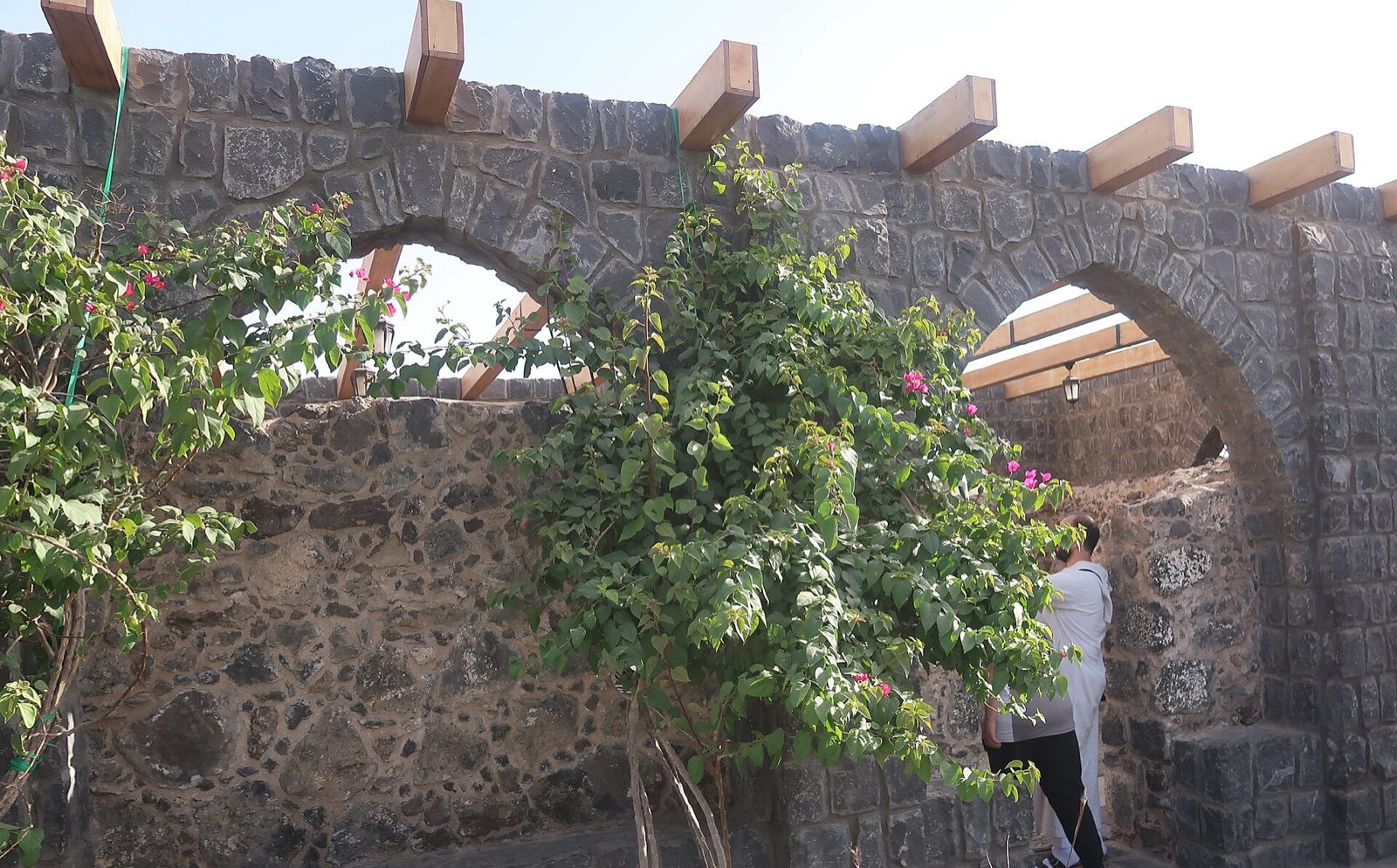 Mosque
The mosque where the Prophet ﷺ prayed when visiting the Companion Ṭalḥa ibn al-Barāʾ (may Allah be pleased with him) during his illness — southwest of Masjid Qubāʾ in al-ʿUṣba district.
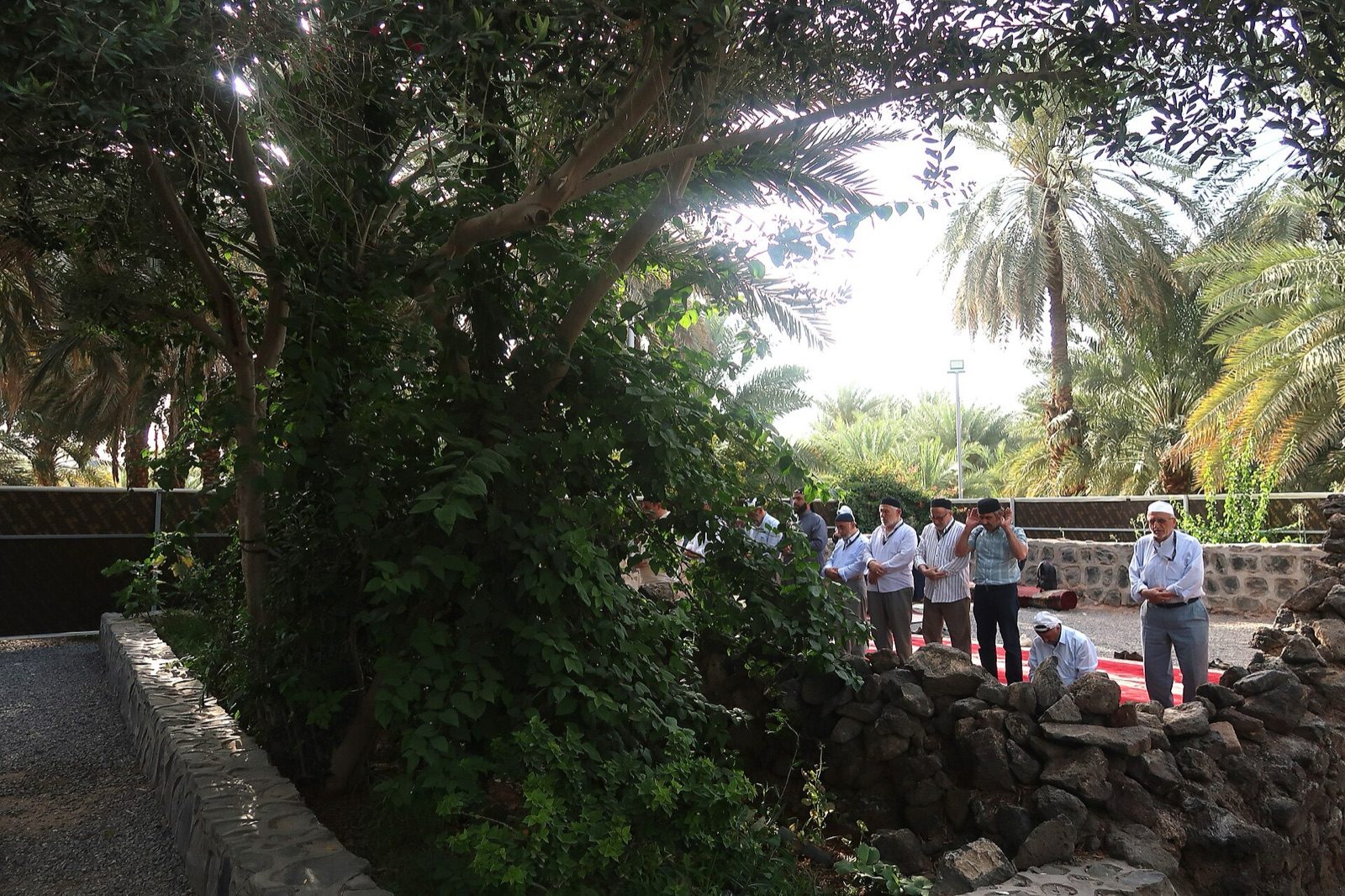 Mosque
The mosque and well where the first Muhājirūn settled before the Prophet ﷺ reached Madinah; the Prophet ﷺ later prayed there using the well’s water.
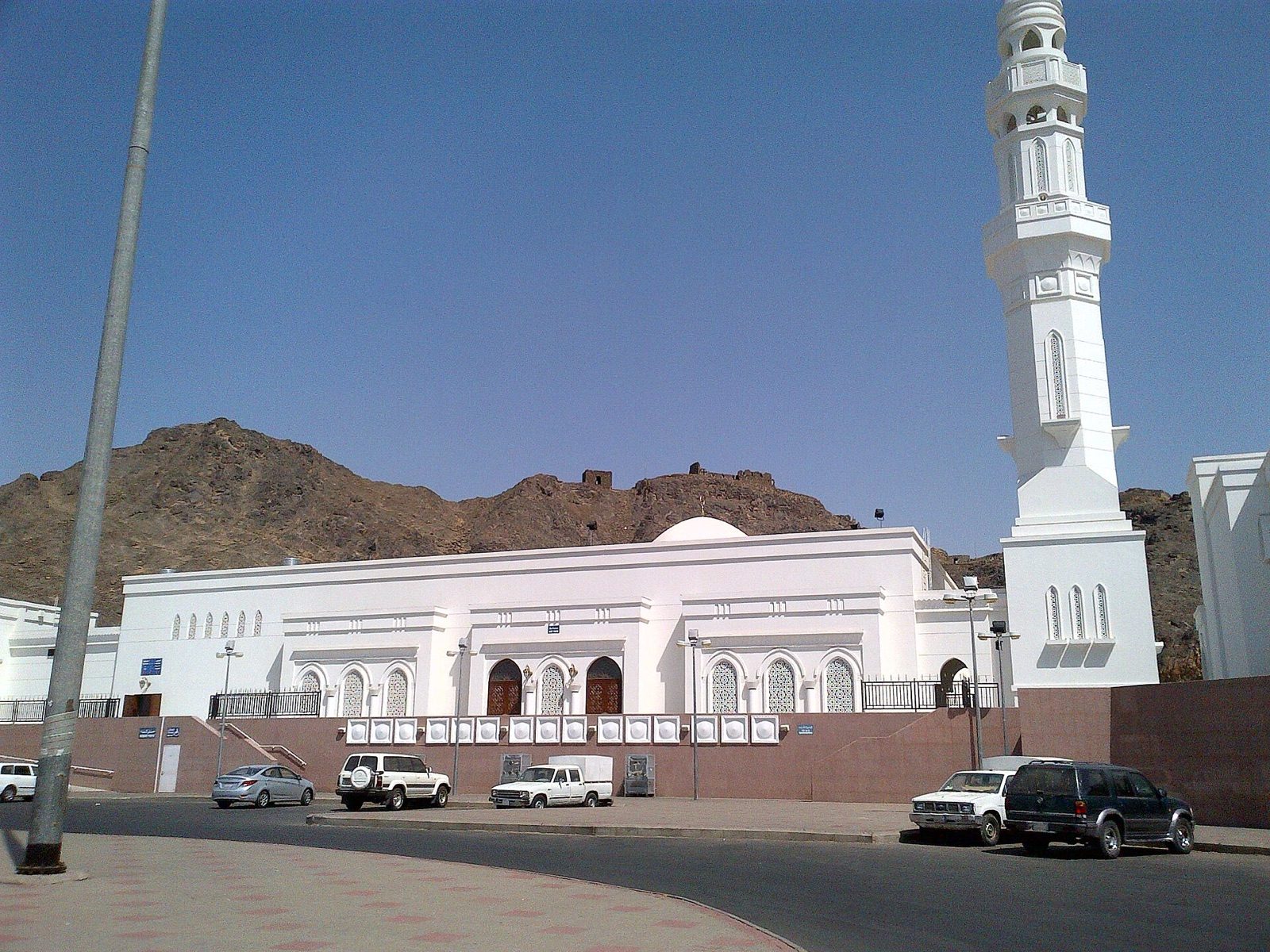 Historical site✓
A historic religious complex on the western slope of Jabal Salʿ, holding the small mosques built where the Companions held their positions during the Battle of the Trench — the main visiting hub for the whole area.
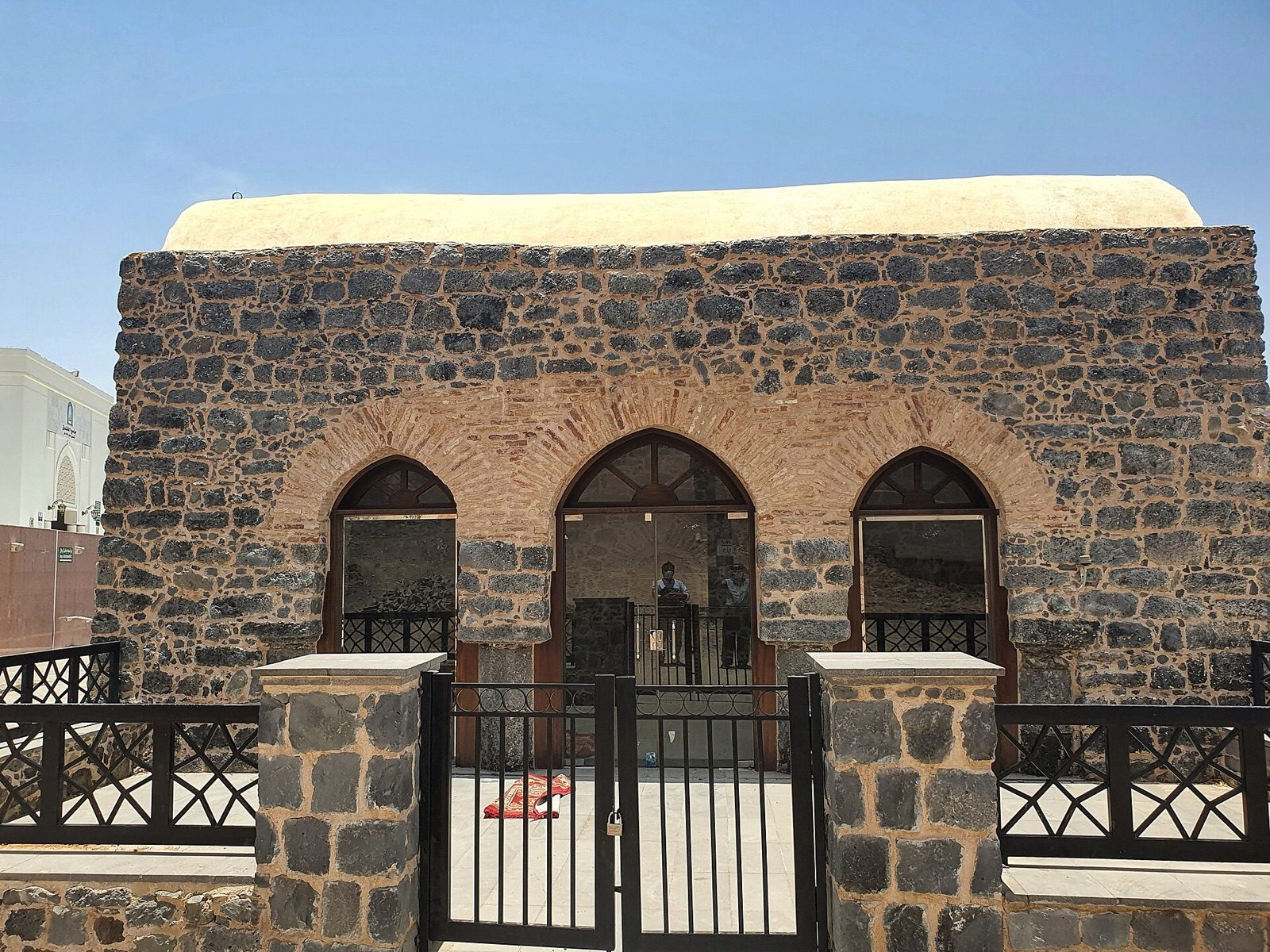 Mosque
One of the Seven Historic Mosques, named after Salmān al-Fārisī (may Allah be pleased with him), who proposed digging the trench; located at the foot of Jabal Salʿ, south of Masjid al-Fatḥ.
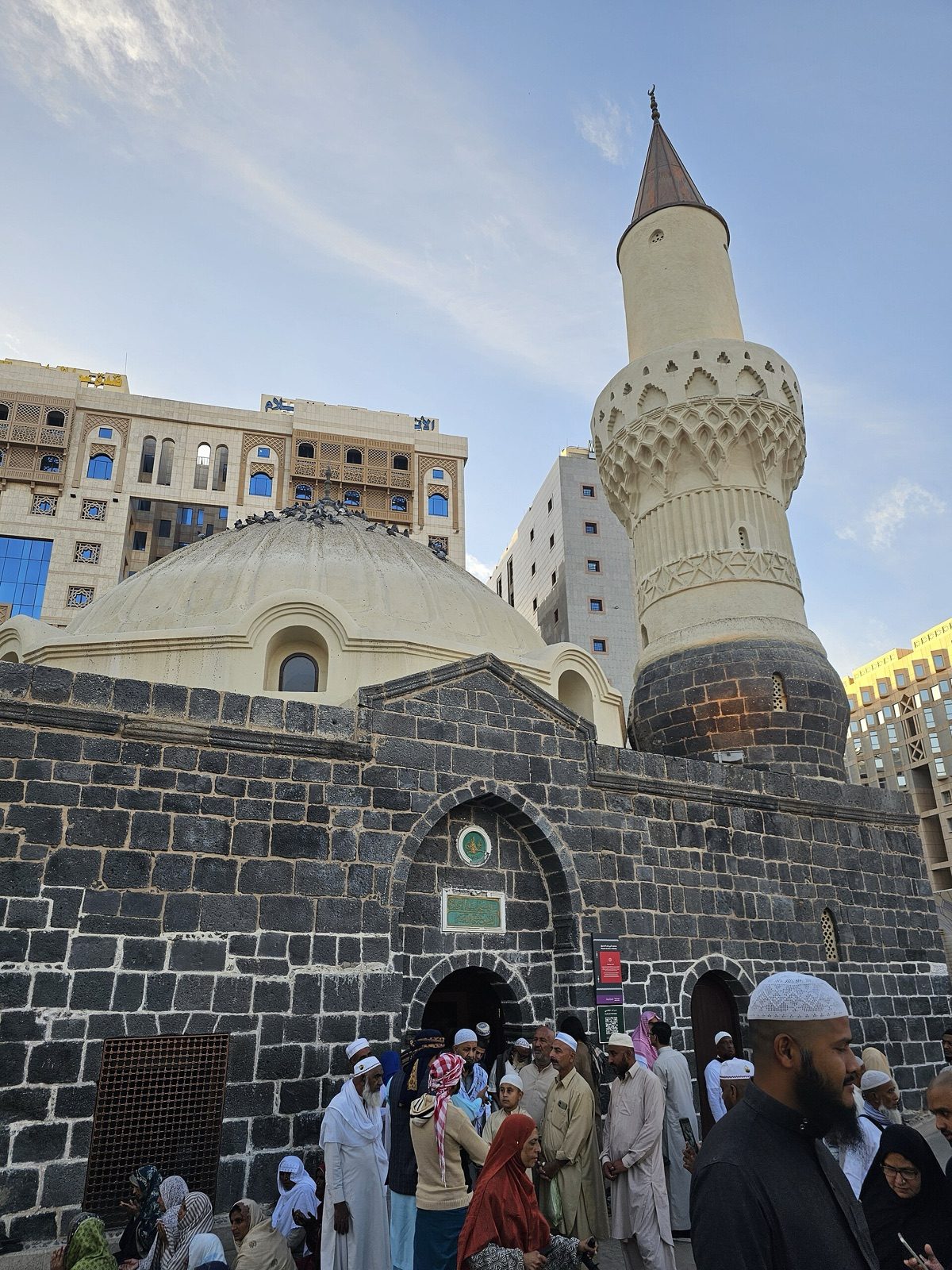 Mosque
One of the Seven Historic Mosques around Jabal Salʿ, marking the spot where Abū Bakr al-Ṣiddīq (may Allah be pleased with him) held his position on the day of the Trench.
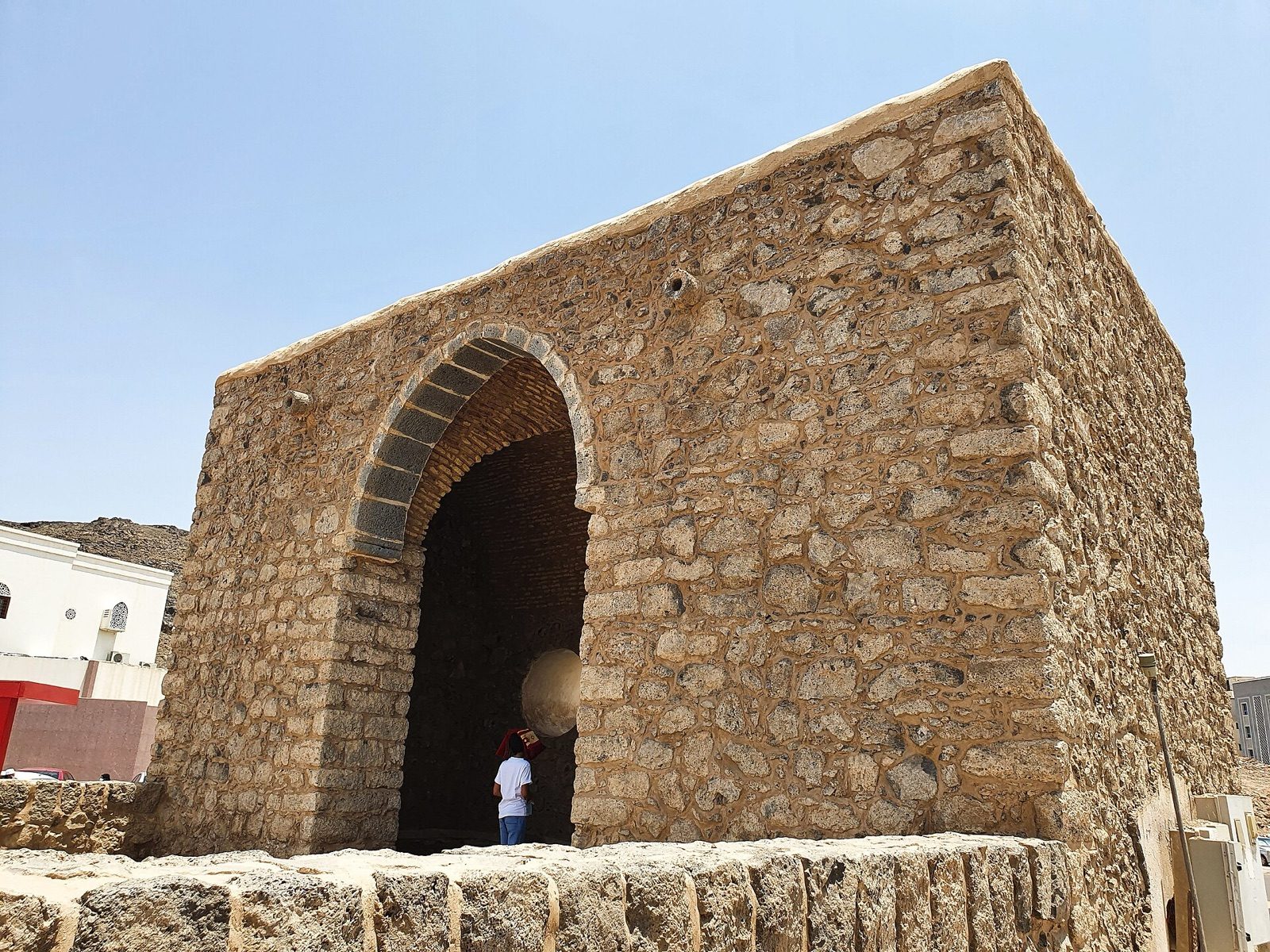 Mosque
One of the Seven Historic Mosques, named after ʿUmar ibn al-Khaṭṭāb (may Allah be pleased with him) because he prayed the ʿīd prayer on this spot during his caliphate.
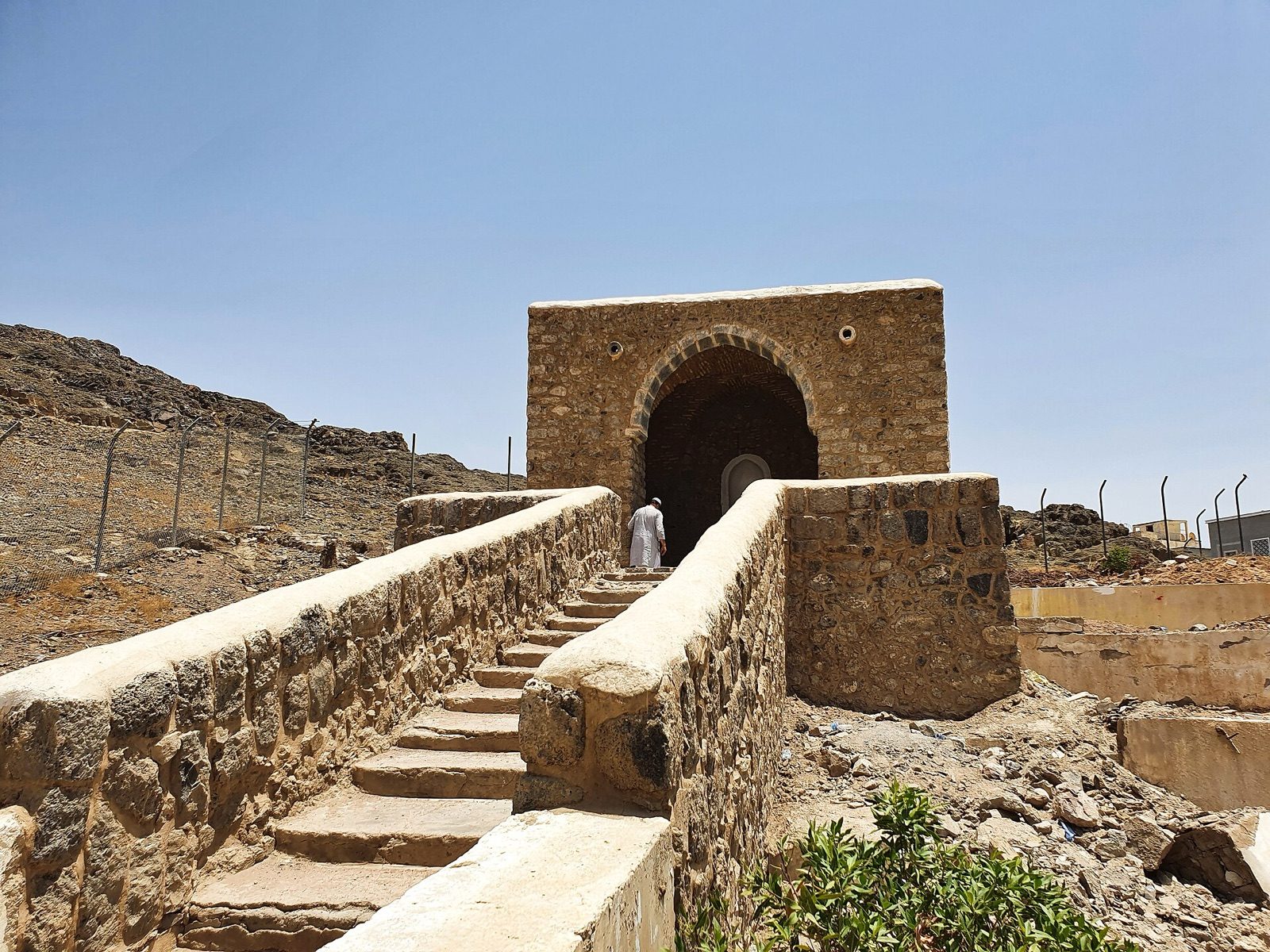 Mosque
One of the Seven Historic Mosques, on the spot associated with ʿAlī ibn Abī Ṭālib (may Allah ennoble his face) on the day of the Trench.
The smallest of the Seven Mosques (about 4×3 m), historically known as Masjid Saʿd ibn Muʿādh (may Allah be pleased with him) before being named for Fāṭima al-Zahrāʾ (may Allah be pleased with her).
A modern large mosque (capacity 4,000) on the slope of Jabal Salʿ, in the area where ʿAlī (may Allah ennoble his face) is reported to have killed ʿAmr ibn Wadd al-ʿĀmirī on the day of the Trench.
A heritage mosque on the western slope of Jabal Salʿ, attributed to the Banū Ghifār tribe (many of whom embraced Islam early); also known as the Great Cave of Banū Ḥarām.